

Thinking of becoming a barrister's clerk? What you need to know ...
A career as a barrister’s clerk can suit people who are organised, good with people and able to work in a busy environment. Although the title suggests an administrative role, the job involves much more than paperwork. Barristers’ clerks play an important part in the running of chambers, helping to manage workloads, deal with clients and support barristers in their day-to-day activities.
In this guide, we explain what a barrister’s clerk does and the type of work involved on a daily basis. We also look at where barristers’ clerks work, typical hours, salary expectations and opportunities for career progression. Finally, we cover the qualifications, skills and different routes into the profession, including work experience and apprenticeships.
Looking for your first or next barristers’ clerk role?
Whether you’re starting your career in chambers or looking to progress to a more senior clerking position, exploring current vacancies is one of the best ways to understand what employers are looking for. Browse the latest Barristers’ Clerk jobs across the UK and take the next step towards a rewarding career at the heart of the legal profession.
Becoming a barrister’s clerk
The first thing you should know about the role of a barrister’s clerk is that the word clerk is largely a misnomer. In the past, it was more accurate as the role encompassed many duties taken on by clerks in other professions. For example, an office clerk takes on many duties that are required throughout many offices.
A barrister’s clerk, however, is more of an all-round assistant to a barrister rather than a clerk, even though the term still stands. There are many tasks involving emails, letters, and calls, but they will also be required in various settings, from the office to the courtroom.
What is a barrister’s clerk?
A barrister’s clerk manages the day-to-day business and administration activities of a barrister’s practice. This can include scheduling work, negotiating fees, managing diaries, handling clients and selling barristers’ services. Although they are not typically qualified lawyers and they don’t give legal advice, their role is important, helping to ensure the smooth running and commercial success of chambers.
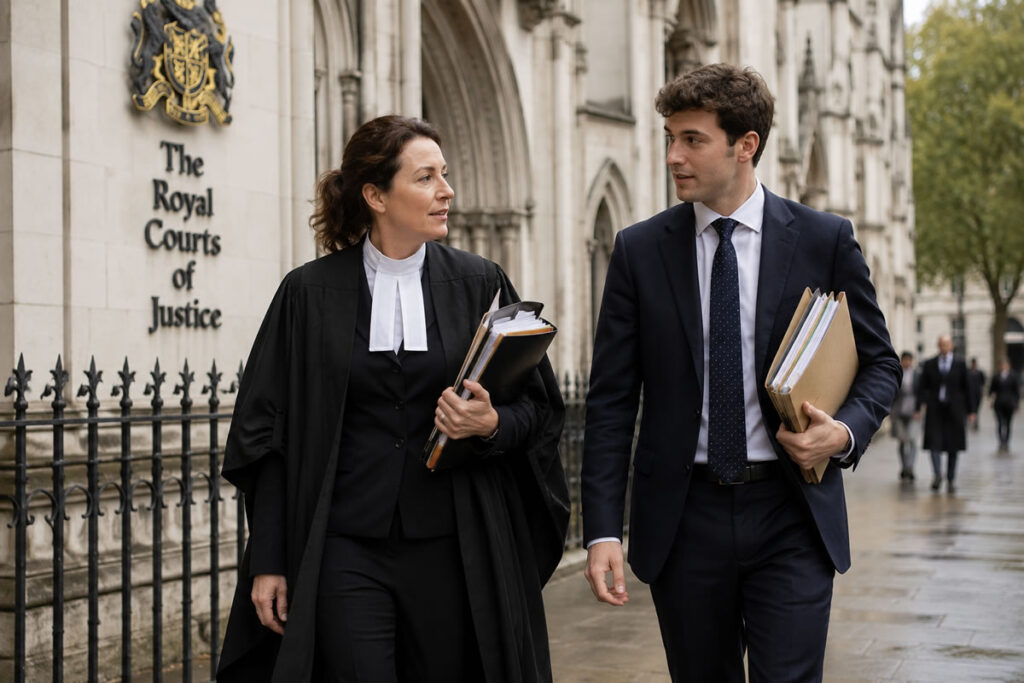
What does a barrister’s clerk do each day?
This is a wide-ranging role and therefore you can take on a range of tasks, depending on what is required each day:
- Take books, files, documents, and robes to the court
- Manage and collect fees
- Handle a range of administrative tasks
- Take care of a range of accounting duties, such as petty cash and invoices
- Keep track of the barrister’s diary and appointments
- Speak with other barristers, clients, and solicitors
- Arranging meetings
In short, the role is largely administrative in nature. However, you will also need to have good personal skills to help you excel in the role. You must be excellent at both written and verbal communication and be able to work well on your own and as part of a team. Working in barristers’ chambers and in a court setting can be stressful and fast paced, so you need to be well suited to this.
Where would I work as a barrister’s clerk?
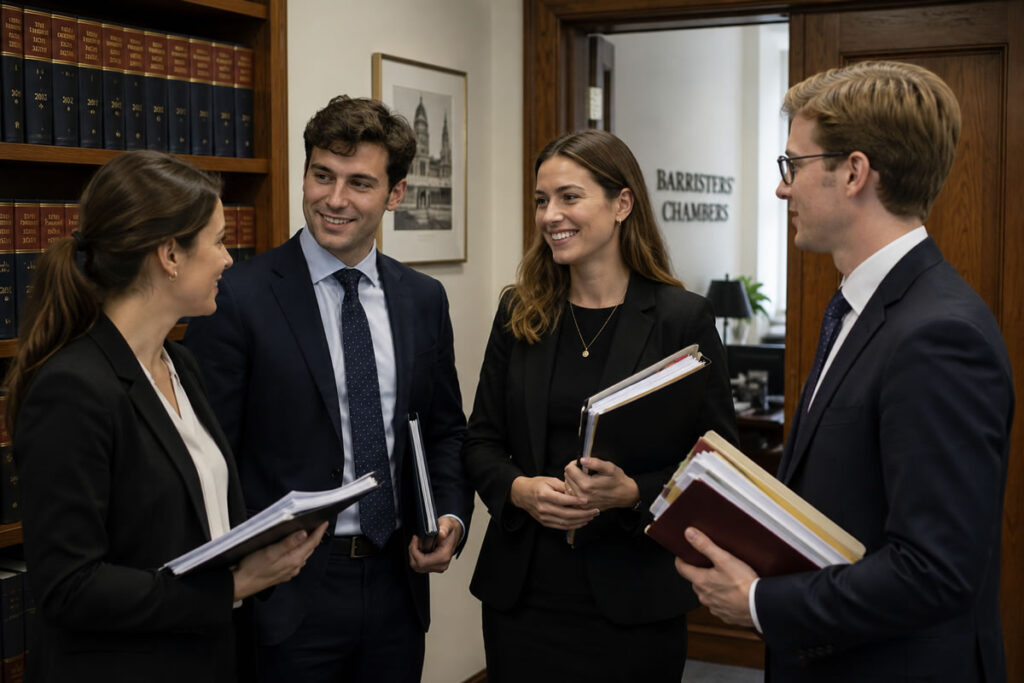
Many barrister’s clerks work in chambers. These are offices used by barristers. The clerk plays a crucial role in helping with the day-to-day running of the chambers in question. As part of the role, you would also be required to work in court or in offices, depending on what is needed at the time.
In some cases, a barrister will have their own chamber and require the services of one clerk. In other cases, a group of barristers will work in chambers together. In this instance, several clerks will handle the requirements of the group, rather than one clerk acting on behalf of one barrister. This is a faster paced scenario, as there are more people involved.
It’s worth noting that in some cases, barrister’s clerks work from home in fully remote roles. This does not apply in all cases though, and it is too early to say whether this is going to become more common.
How many hours do barrister’s clerks work each week?
Most barrister’s clerks will work regular office hours. However, there may be times when longer hours are required. This is most likely to occur when a barrister has an important case coming up and requires further support from a clerk. Larger chambers may therefore have a rota that includes unsociable hours.

What’s the average salary for a barrister’s clerk in the UK?
Our research suggests a wide range of potential salaries. However, the range is typically between around £24,000 for a junior clerk at the beginning of their career, and up to £90,000+ for a senior clerk with more experience.
The salary will also depend on location. Those working in a city like London will earn a higher salary than those in a much quieter part of the country.
| Level | Typical salary |
| Junior Barrister's Clerk | £24,000 – £30,000 |
| Experienced Clerk | £30,000 – £45,000 |
| Deputy/Senior Clerk | £45,000 – £90,000+ |
| Senior Clerk at Leading London Chambers | £90,000 – £150,000+ |
(Salaries – indicative market averages as at 2026)
What are a barrister’s clerk qualifications and how can I qualify to become one?
While many roles within law require a degree, this is not one of them. That said, some employers may give preference to applicants with a degree. If you are still in education, you may consider a degree in law in a related field. Alternatively, you may look to obtain qualifications in the business field or find work of a similar nature in a different field. Admin and clerk roles are ideal for this.
You will need at least four GCSEs including maths and English to demonstrate that you have the basic skills required for the job. These should be at grades 9 to 4, or the equivalent A* to C if you have the older grades. If you do not have a degree, you could instead gain relevant experience in other admin roles and move into a law office offering admin assistant roles to start that way. You can see there are multiple ways to gain entry into the industry and to move toward the barrister’s clerk role you want to have.
There is also a possibility to gain direct work experience in chambers. You would usually need to contact them to find out about any work experience available in chambers. If you can get some relevant experience, it shows that you are proactive and eager to find out what happens in that setting. It’s certainly something positive to add to your CV.
Some businesses also offer apprenticeships in law or business administration, either of which would provide you with practical experience to polish your skills. This would give you a chance to see whether you have what it takes to become a barrister’s clerk. If you find you excel in those settings, you can handle pressure and work quickly and accurately, and handle a range of tasks, you might be well suited to become a barrister’s clerk.
Is there plenty of scope for career progression?
If you do choose this career path, you will begin as a junior clerk. Most chambers have a senior clerk who is responsible for managing several junior clerks. Therefore, the next step up would be to become a senior clerk in chambers. There would also be the possibility of moving to bigger chambers. In some cases, there are chambers directors who oversee the day-to-day running of the chambers. It can also help to obtain membership of the Institute of Barristers’ Clerks (IBC).
Since barristers work in many areas of law, so too do the clerks who assist them. This means you might decide to move into a specific area of law depending on your interests. For example, you may gain experience in a family law firm before moving into criminal law.
What are your next steps to becoming a barrister’s clerk?
While barristers’ clerks are not considered solicitors, they are an important cog in the legal profession, helping to keep chambers running efficiently. The role can be demanding, but it offers plenty of variety and the chance to build a long-term career in a respected area of the industry. Strong organisational skills, the ability to work well with people and a willingness to learn are often just as important as formal qualifications.
There’s no one route to becoming a barrister’s clerk. Some people start through administrative roles, while others gain experience through apprenticeships or work placements. If you are interested a legal career but don’t want to qualify as a solicitor or barrister, this is a path that is well worth considering. With experience, there are good opportunities to progress into senior roles and to build a rewarding career supporting some of the busiest and most successful lawyers in the country.